Calistha: A Script Font for Modern Elegance
When a project calls for a touch of personality without sacrificing clarity, the search for the right typeface can be surprisingly specific. You need something that feels personal, yet professional. Something with flair, but not so much that it becomes illegible. This is the space where Calistha excels. As a thin-lettered script font, it offers a delicate, flowing aesthetic that feels both contemporary and timeless. It’s not just another script; it’s a design tool built for versatility, crafted for creators who need their typography to communicate as effectively as their words.
The Anatomy of a Versatile Script
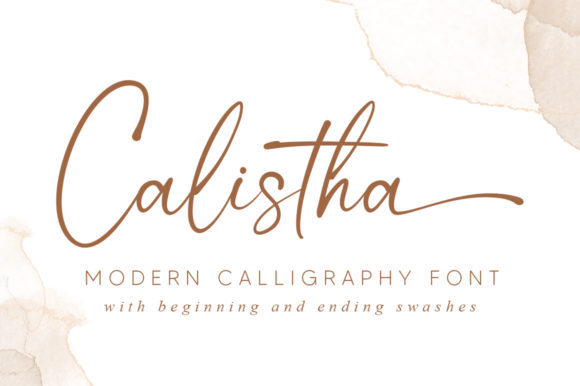
At first glance, Calistha presents a lovely and fashionable character. Its defining feature is its thin, elegant strokes, which give it a lightweight, airy quality. This isn't a bold, heavy-handed calligraphy; it's a refined, modern interpretation of a script style. The letterforms connect smoothly, creating a natural, handwritten flow that feels authentic and approachable. The overall personality is one of sophistication and gentle confidence, making it a creative font that can adapt to a wide range of tones—from romantic and whimsical to sleek and minimalist.
A significant practical advantage of Calistha is its PUA encoding. For the uninitiated, this simply means the font comes loaded with extra glyphs and swashes—the stylistic alternates and flourishes that can transform a standard word into a custom logotype. Accessing these is straightforward in most design software, allowing you to add unique initial or terminal letters, decorative connections, and subtle embellishments. This feature elevates Calistha from a simple script font to a full-fledged design asset, giving you the tools to create truly one-of-a-kind typographic elements for your projects.
Where Calistha Truly Shines: Real-World Applications
The true test of any premium font is its application. Calistha’s balanced design makes it suitable for both personal and commercial use across a spectrum of creative fields. Here’s where it finds its footing most naturally:
- Branding and Logo Design: For businesses in the lifestyle, beauty, wellness, or boutique retail sectors, Calistha can form the core of a beautiful brand identity. It’s particularly effective for logos where the name itself needs to convey elegance and a personal touch. Think of a florist, a custom stationery shop, or a high-end café. The font’s thin lines ensure it scales well, maintaining its delicate appearance whether on a business card or a storefront sign.
- Publishing and Editorial Design: In the world of editorial design, Calistha shines as a display font for magazine headlines, chapter titles, or pull quotes. Its script style adds visual interest and breaks up blocks of text set in a serif font or sans serif font. For book covers, especially in romance, poetry, or contemporary fiction, it can instantly set the mood and genre expectation.
- Packaging and Product Design: On physical products, typography is part of the user experience. Calistha works beautifully on packaging design for artisanal goods, cosmetics, gourmet foods, and wedding favors. It communicates a sense of care, quality, and craftsmanship that a standard corporate typeface cannot.
- Digital and Social Media: For web design, Calistha is best used sparingly for high-impact elements like hero text, special announcement banners, or stylistic headers where readability is prioritized for short phrases. Where it truly excels digitally is in social media graphics. Instagram quotes, Pinterest pins, and Facebook promotional images gain an instant visual upgrade with this handwritten font. It makes content feel more personal and engaging, encouraging users to stop scrolling.
- Personal Projects and Crafting: Beyond commercial applications, Calistha is a fantastic resource for hobbyists and crafters. It’s perfect for creating custom wedding invitations, greeting cards, personalized gifts, and digital planners. Its ease of use with swashes allows even those new to design to produce professional-looking results.
Making Calistha Work: Practical Guidance for Your Project
Choosing a font is just the first step. Using it effectively requires a bit of strategic thinking. Here’s how to integrate Calistha into your workflow for maximum impact.
Evaluating Project Fit and Readability
Always start with context. Calistha’s elegance is its strength, but its thin strokes and script nature mean it’s not designed for long paragraphs of body copy. Its primary role is as a display font for headlines, titles, and short, impactful statements. For body text, pair it with a highly readable serif or sans serif font. A classic serif like Garamond or a clean sans serif like Lato can provide the perfect counterbalance, ensuring your overall design remains both beautiful and functional. This practice of font pairing is crucial for establishing a clear visual hierarchy and maintaining professionalism.
Exploring the Full Character Set
Don’t overlook the extras. Take the time to explore all the glyphs and swashes included with Calistha. In Adobe Illustrator or Photoshop, you can access these through the Glyphs panel (Window > Glyphs). Experiment with different alternate characters for the first or last letter of a word. A well-placed swash can make a logo or headline feel completely custom, enhancing brand recognition and adding that final layer of polish that separates good design from great design.
Licensing and Commercial Use
For designers, entrepreneurs, and small business owners, understanding font licensing is non-negotiable. As a commercial font, Calistha requires a license for most professional uses. The good news is that its PUA encoding means the swashes and alternates are part of the font file itself, not separate assets, which typically simplifies licensing. Always purchase the appropriate license for your project—whether it’s for a single client, a product line, or a full brand identity. This protects you legally and ensures you are respecting the work of the font’s creator, which is a cornerstone of ethical design practice.
Testing in Your Real Design Environment
Before finalizing any project, test Calistha in its intended medium. Set your headline text at the size it will appear on a website mockup. Print out a sample of your packaging label. View your social media graphic on a phone screen. This hands-on testing is irreplaceable. It allows you to check for readability at different scales, see how the font interacts with your color palette, and ensure it conveys the right emotion. A font that looks perfect in a font viewer might need slight adjustments in tracking or kerning in your specific layout.
In the landscape of modern typography, Calistha carves out a distinct niche. It’s not trying to be everything. Instead, it offers a focused, refined solution for projects that demand a blend of personality and sophistication. By understanding its strengths, applying it thoughtfully, and pairing it wisely, you can leverage this fashionable script font to create designs that are not only visually stunning but also strategically effective, leaving a lasting impression on your audience.